
Translations and Permissions
About the Translations
The biblical and liturgical texts presented on the Dinka Liturgy website are drawn from established Christian publications and previously translated Dinka-language Scripture.
The project combines newly translated materials with historic Dinka biblical texts to provide a comprehensive three-year lectionary following the Revised Common Lectionary as adapted by The Episcopal Church.
The translations use Southwestern Dinka linguistic communities of Hol, Nyarweng, Twic East, and Bor.
The translation work was initiated and managed by Dr. Abraham Deng Ater, with editorial support from Ayuen Maketh and the support and approval of the Office of the South Sudanese Clergy in the United States of America.
Sources of the Biblical and Liturgical Texts
- Old Testament Readings
The Old Testament readings were translated into Southwestern Dinka from the New Revised Standard Version (NRSV) of the Holy Bible, copyright 1989.
The NRSV was selected as a recognized English-language biblical translation widely used in Christian worship, scholarship, and education.
The translations seek to communicate the intended meaning of the biblical passages while maintaining clarity and theological integrity.
- New Testament Readings
The New Testament readings were mostly drawn from the previously translated Dinka New Testament entitled Lëk Jöt de Yecu Krïtho, copyright 1940. Some texts were translated from the NRSV and incorporated into this lectionary.
This historic translation represents an important contribution to the development of Christian Scripture in the Dinka language.
Its inclusion honors the work of earlier translators and helps preserve a valuable part of Dinka Christian literary and spiritual heritage.
- Collects and Liturgical Prayers
The collects accompanying the appointed Scripture readings were translated into Southwestern Dinka from the contemporary-language forms of The Book of Common Prayer (1979) of The Episcopal Church.
The translations seek to preserve the meaning, theological significance, and prayerful character of the original collects while making them understandable to Dinka-speaking Christians.
- Psalms and Responses
The psalm responses accompanying the readings were drawn, where applicable, from the previously translated Dinka Book of Psalms entitled Diɛt ke Debid, copyright 1956.
Other responses, like Canticles, were taken from or translated using the biblical sources identified above.
These materials support congregational participation in worship and the responsive reading of Scripture.
Translation and Editorial Principles
The Dinka Lectionary Project is guided by the following principles:
Faithfulness to Scripture: Preserving the meaning and theological message of the biblical texts.
Linguistic Clarity: Using understandable Southwestern Dinka suitable for public reading, prayer, and biblical education.
Respect for Historical Translations: Recognizing and preserving the contributions of earlier Dinka Bible translators.
Liturgical Consistency: Maintaining consistent terminology and expressions throughout the three-year cycle.
Respect for Dialect Diversity: Acknowledging linguistic differences among Dinka-speaking communities.
Editorial Review: Promoting accuracy, consistency, readability, and appropriate presentation of the translated materials.
Continuous Improvement: Welcoming constructive feedback to improve the quality and accessibility of the resource.
Copyright and Source Acknowledgments
The Dinka Lectionary Project acknowledges the original translators, editors, publishers, and copyright holders of the source materials.
|
Source Publication |
Copyright Year |
Use |
|
New Revised Standard Version (NRSV) |
1989 |
Source for translated Bible texts |
|
Lëk Jöt de Yecu Krïtho |
1940 |
Dinka New Testament readings |
|
The Book of Common Prayer |
1979 |
Source for translated collects and other responses |
|
Diɛt ke Debid |
1956 |
Dinka Psalms and responses |
The project has confirmed the applicable copyright and permissions arrangements for its use of these materials.
All source texts remain subject to their applicable copyright and licensing terms. Required rights-holder acknowledgments and permission notices should be displayed alongside the relevant materials or in this section.
Ecclesiastical Support and Approval
The Dinka Lectionary Project received support and approval from the Office of the South Sudanese Clergy in the United States of America.
This support reflects the project’s importance as a resource for Dinka-speaking Christian congregations and its contribution to biblical education and liturgical worship.
The resource follows the Revised Common Lectionary as adapted by The Episcopal Church.
Support and approval from the Office of the South Sudanese Clergy should not be interpreted as an official publication or endorsement by The Episcopal Church as a whole unless separately authorized.
Use of Website Materials
Dinka Liturgy is committed to making its lectionary resources freely accessible for personal reading, Christian education, and congregational worship, subject to the applicable permissions and licensing terms.
Free access to materials on this website does not necessarily grant permission for unrestricted republication, commercial distribution, modification, or reproduction.
Users who wish to reproduce or distribute substantial portions of the materials outside ordinary permitted uses should consult the applicable copyright notices and contact the project for guidance.
Corrections and Translation Feedback
We welcome constructive feedback concerning translation accuracy, Dinka spelling, terminology, liturgical consistency, and typographical errors.
Such feedback helps strengthen the resource and supports its continued improvement for Dinka-speaking Christians worldwide.
Important themes include:
- Love of God and neighbor.
- Faith, prayer, and obedience to God.
- Forgiveness, reconciliation, and mercy.
- Compassion and service to others.
- Justice, humility, and righteousness.
- Peace and unity among believers.
- Hope in the resurrection and eternal life.
Through Scripture reading, prayer, and Christian fellowship, believers are encouraged to grow in faith and demonstrate Christ’s love in their daily lives.
Using the Lectionary for Bible Study
The appointed readings can be used for individual or group Bible study.
A simple approach includes:
- Read: Carefully read the appointed Scripture passage.
- Reflect: Consider its historical context, central message, and theological meaning.
- Discuss: Share observations and questions with others.
- Apply: Reflect on how the passage relates to Christian life and discipleship.
- Pray: Ask God for wisdom, understanding, and strength to live according to His Word.
Christian Education for Families and Young People
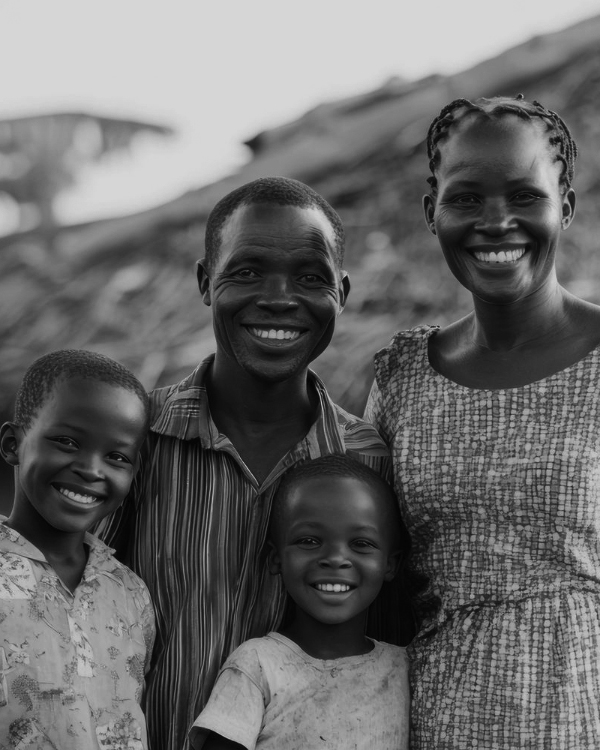
Families play an important role in passing Christian faith and cultural heritage from one generation to another.
Reading Scripture and praying together in Dinka can help children and young people develop both their Christian identity and their connection to the Dinka language.
Parents, guardians, Sunday school teachers, and church leaders are encouraged to use the lectionary readings as opportunities for teaching, discussion, and spiritual growth.
Preserving Faith and Language Across Generations
Dnkaliturgy.org recognizes the importance of preserving the Dinka language as a means of transmitting Christian knowledge and worship traditions.
By encouraging Scripture reading and prayer in Dinka, we hope to strengthen connections between older and younger generations and promote continued engagement with the Christian faith.
Our educational commitment is to help Dinka-speaking Christians understand God’s Word, grow in faith, and share the teachings of Jesus Christ with others.
Our educational commitment is to help Dinka-speaking Christians understand God’s Word, grow in faith, and share the teachings of Jesus Christ with others.